Beyond the reef
Five weeks on the edge of the Great Barrier Reef.
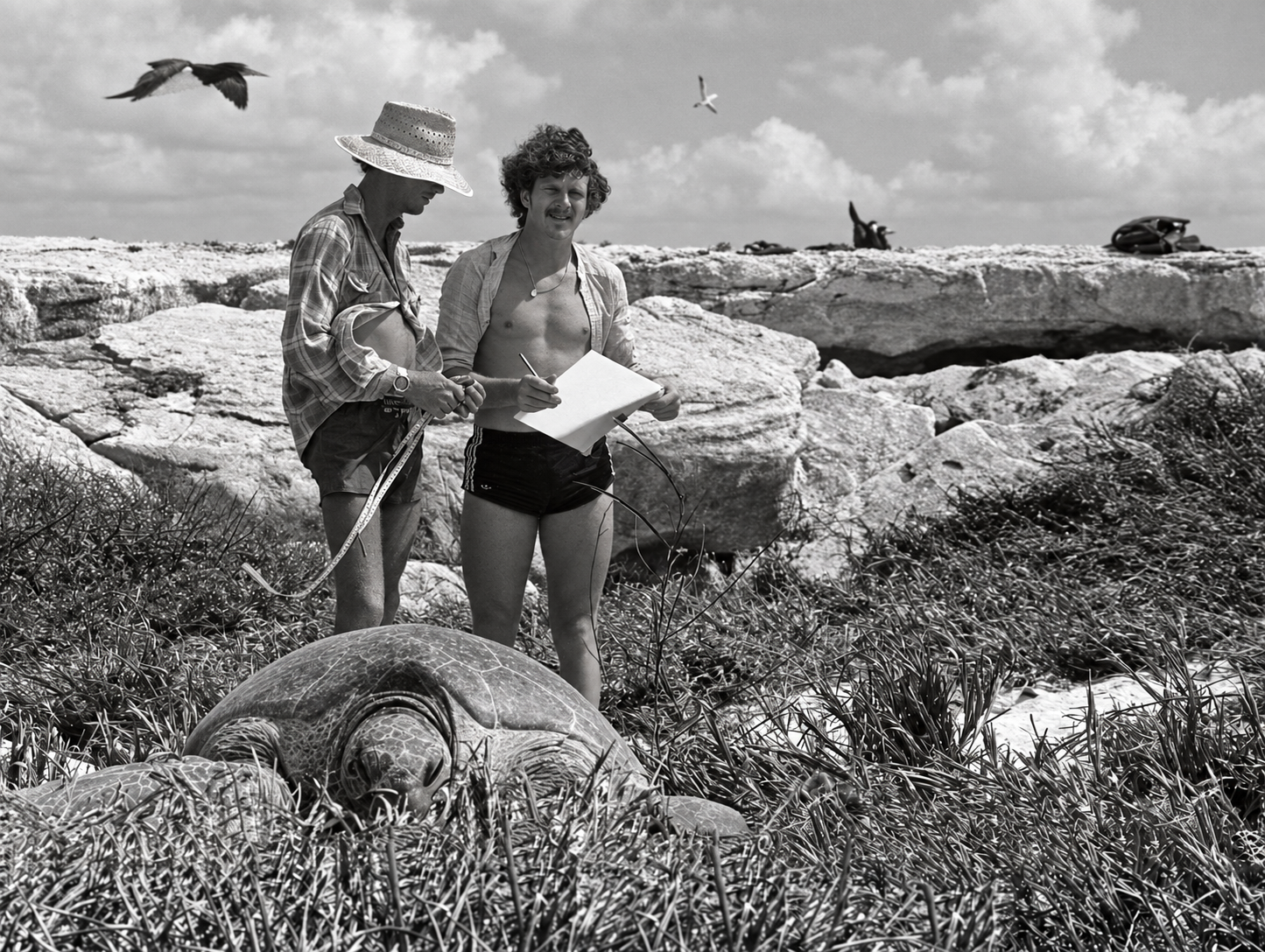
Raine Island sat on the outer edge of the Great Barrier Reef, a small coral cay that held the world’s largest remaining green turtle rookery. I had been asked to undertake the turtle population study while Brian King led the expedition, focusing on the vast seabird colonies that nested there each season.
Thirty-two hectares. Barely 1,800 metres around.
Tens of thousands of turtles. More than 30,000 birds.
And somehow, I had been invited.
Beyond the reef
From the boat the island looked almost insubstantial — a low strip of coral and vegetation surrounded by reef and open sea. Once ashore, the scale changed. Turtles crossed the beaches at night. Seabirds occupied the ground and sky. The island was small enough to walk around, yet it never felt small.
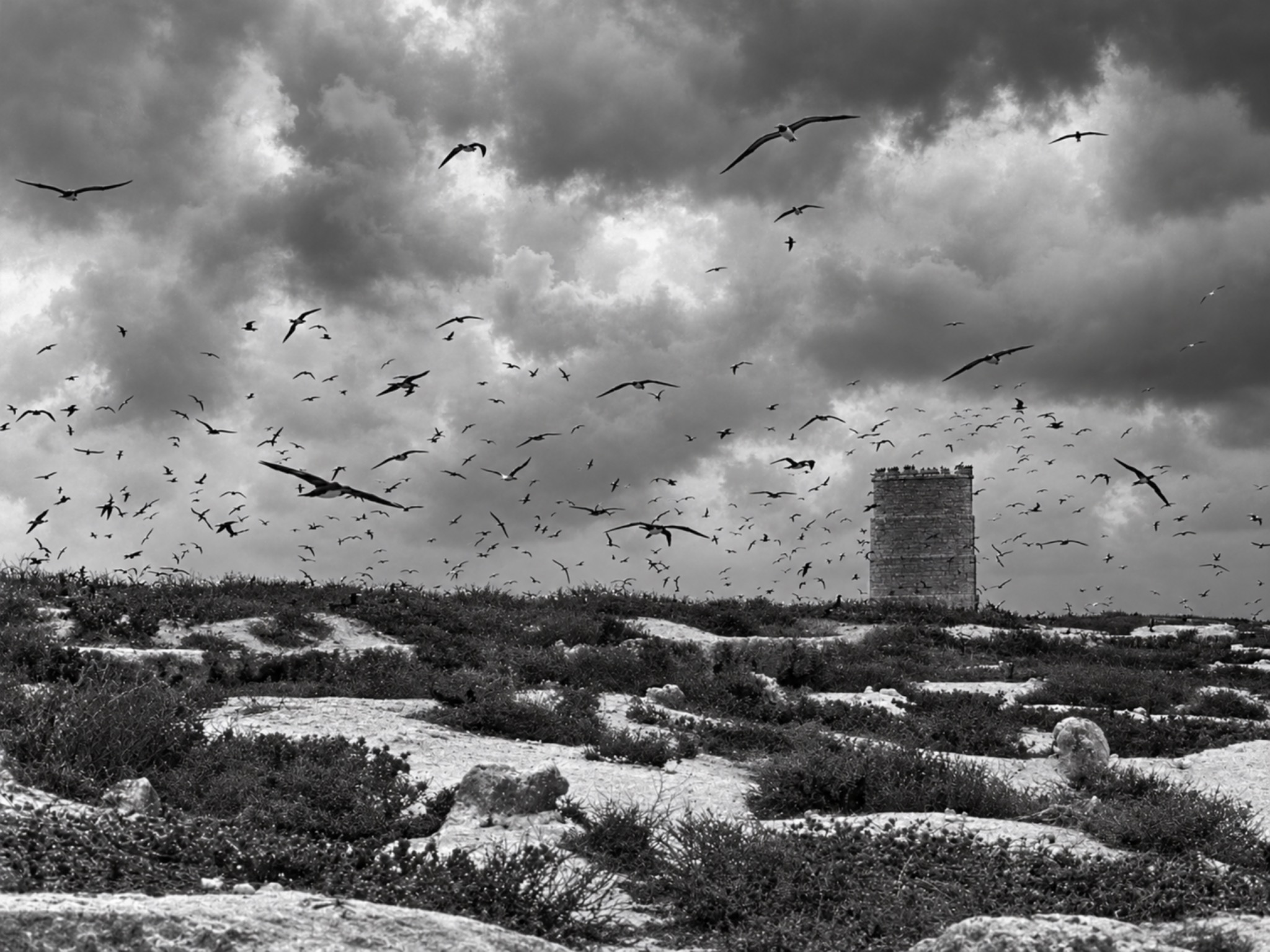
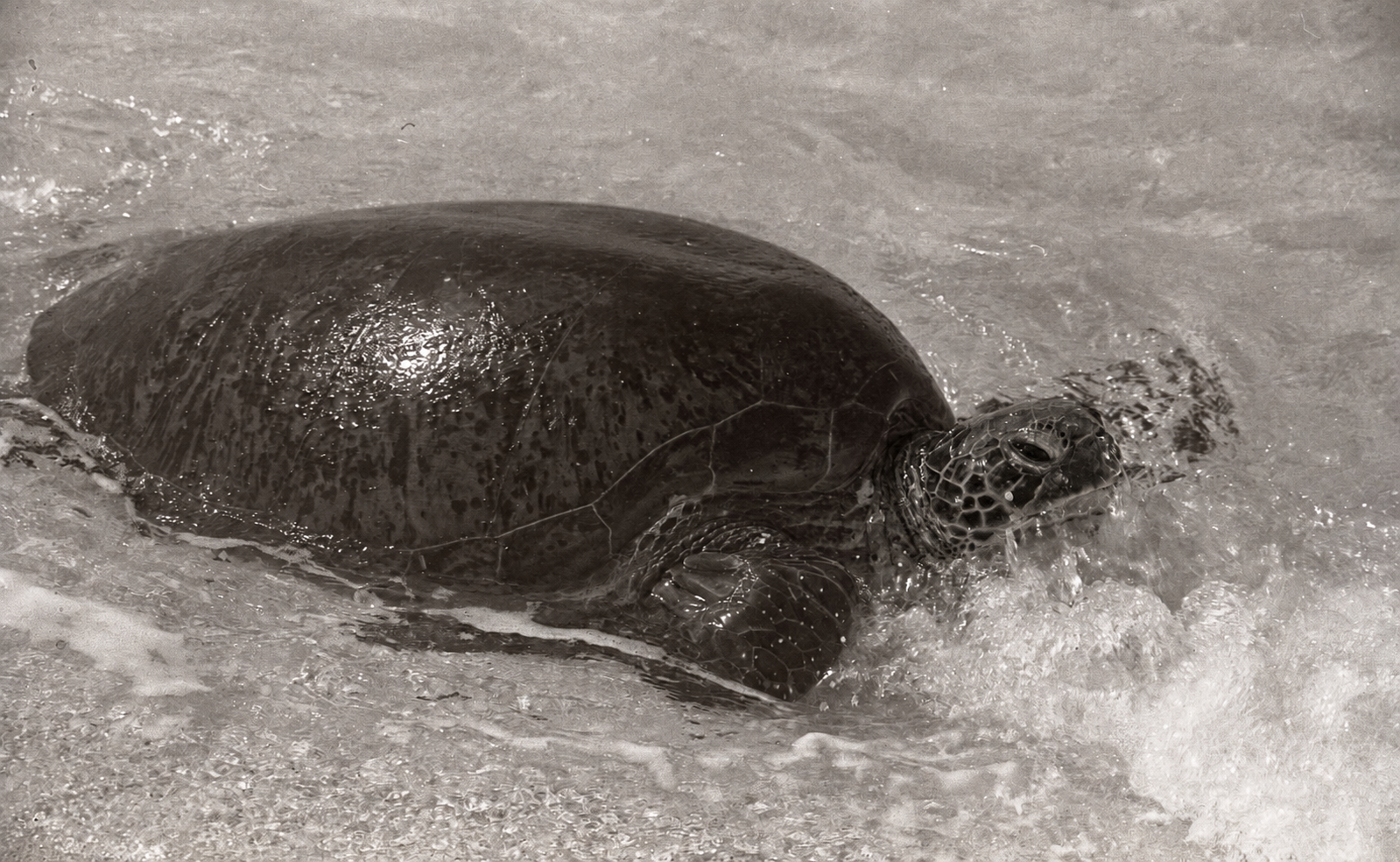
The work
Surveys, counts, tagging and density mapping gave the days their shape. The work was repetitive, physical and exacting, but the island itself never became ordinary. It taught me something about scale, patience and learning to trust close observation.